Wondering what day-to-day life in Mesa really feels like? You might picture sunshine and space, but you probably also want to know about commutes, heat, neighborhoods, and where you’ll run your errands. You’re in the right place. This guide walks you through the rhythms of living in Mesa, from getting around and staying cool to schools, parks, and culture, plus practical tips to plan your move with confidence. Let’s dive in.
Climate and daily rhythm
Mesa has a classic Sonoran Desert climate. Summers are very hot, with long stretches over 100°F, and winters are mild and comfortable. The area also sees a summer monsoon season with quick-hitting thunderstorms, localized heavy rain, and occasional dust storms.
In practice, you plan your day around the heat. Outdoor time often shifts to early mornings and evenings in summer, and most homes rely on air conditioning. Expect higher electricity bills in the hottest months. For seasonal updates and safety guidance, check the National Weather Service Phoenix office.
Transportation and commute
Most daily travel is by car. The US‑60 and Loop 202 are major routes that connect you across the Southeast Valley and into Phoenix, Tempe, Chandler, and other job centers. Rush hour traffic is typical on weekday mornings and late afternoons, so timing your trips can help.
Public transit is available and most useful in central and downtown Mesa. Valley Metro operates local bus routes and a light rail line that runs through downtown, then connects into Tempe and Phoenix. If you plan to use transit, explore the Valley Metro bus and light rail system to see routes near your home.
If you fly often, you have two airport options. Phoenix‑Mesa Gateway Airport serves a range of domestic leisure routes with a smaller, easy-to-navigate terminal. For most national and international flights, you’ll use Phoenix Sky Harbor International. Learn more at Phoenix‑Mesa Gateway Airport and Phoenix Sky Harbor International.
Neighborhoods and housing
Mesa is one of Arizona’s largest cities, and it offers a wide mix of homes. You’ll find historic bungalows and mid-century ranches near downtown, established tract homes from the 1970s to 1990s, townhomes and new infill, and several master‑planned communities such as Eastmark, Las Sendas, and Dobson Ranch.
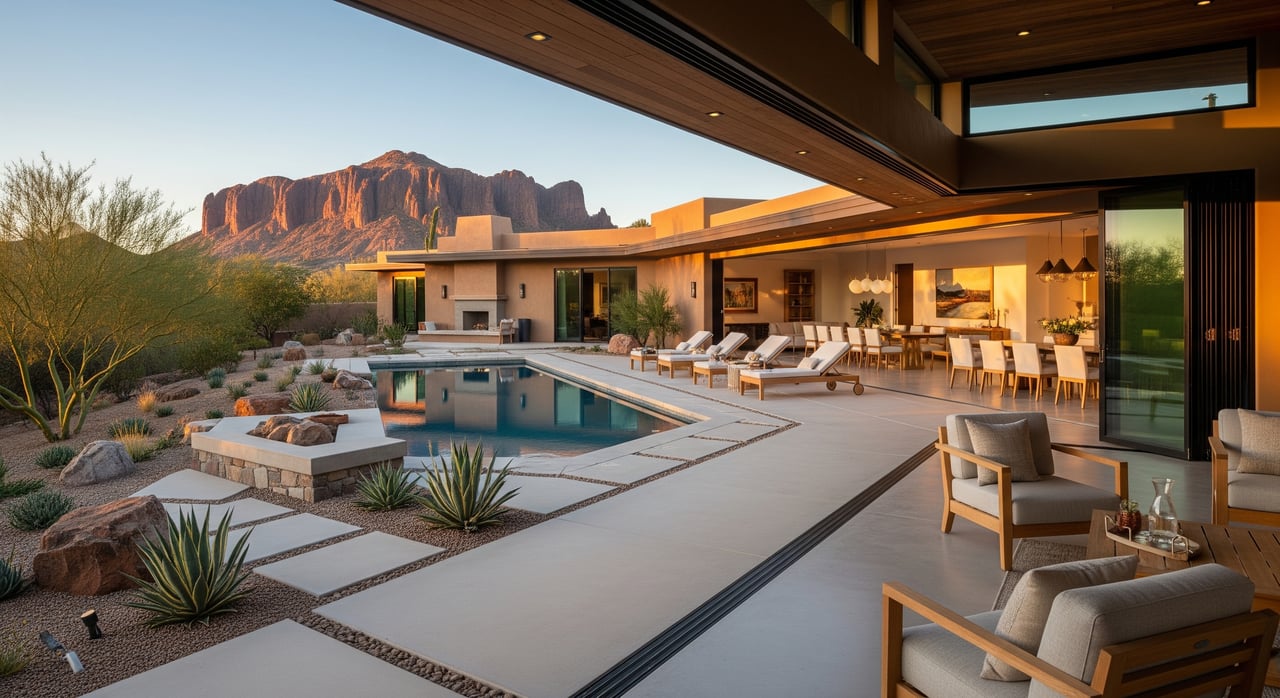
Architecture fits the desert. Stucco exteriors, tile roofs, shaded patios, and xeriscaping are common, and many homes have pools. Mesa is generally more affordable than some nearby cities like Scottsdale, though prices vary widely by neighborhood, home age, and lot size. Newer master‑planned areas and hillside locations often command premium pricing.
Shopping and healthcare
Daily errands are convenient. You’ll find major grocery stores, big-box retailers, and neighborhood centers throughout the city. Downtown Mesa and the blocks around the Mesa Arts Center offer local shops, cafes, and community events.
Healthcare access is strong across the Southeast Valley. Multiple hospitals, urgent care clinics, and specialty providers serve Mesa residents, and most services are a reasonable drive away. For city services and local programs, the City of Mesa site is a helpful starting point.
Schools and learning
Mesa Public Schools is one of Arizona’s largest districts, and the city also has charter and private options. School quality can vary by campus and attendance area, so it pays to review boundaries and programs that align with your priorities. Start with Mesa Public Schools to explore attendance maps and school profiles.
For higher education and workforce training, Mesa is home to Mesa Community College and the ASU Polytechnic campus in southeast Mesa. These institutions add educational options and support local industries. Explore Mesa Community College and ASU’s Polytechnic campus to learn more.
Outdoor recreation
If you love the outdoors, Mesa’s location is a major perk. Inside the city, you’ll find neighborhood parks, playgrounds, community pools, and trail connections for walking and biking. Golf is a big draw, with numerous public and private courses across Mesa and nearby East Valley towns.
For bigger adventures, northeast Mesa puts you close to the Usery Mountain area, the Salt River, and the Superstition foothills. Hiking, mountain biking, paddling, and desert photography are popular year-round, with early morning and evening outings favored in summer. Check trail conditions and events at Usery Mountain Regional Park.
Arts, culture, and events
Mesa’s arts scene is active and family-friendly. The Mesa Arts Center anchors a lineup of performances, exhibits, classes, and festivals in the heart of downtown. The Arizona Museum of Natural History offers rotating exhibits and hands-on learning for all ages.
Spring brings Cactus League baseball to Sloan Park, and the calendar fills with local concerts, outdoor markets, and community events. Dining ranges from Southwestern and Mexican favorites to craft beer spots and casual family restaurants, with trendier nightlife a short drive away in Tempe and Chandler.
Practical moving tips
Use these quick pointers to plan your move and first months in Mesa:
- Schedule heavy moves and yard work for cooler months, ideally October through April.
- Budget for higher summer cooling costs, and have your HVAC system inspected if buying an existing home.
- Review HOA rules on landscaping, exterior changes, and pool maintenance for your community.
- Research school boundaries and offerings if they are a priority for you.
- Check local traffic patterns for your likely commute routes and time of day.
- Consider proximity to Phoenix‑Mesa Gateway or Sky Harbor if you travel frequently.
Is Mesa right for you?
Mesa combines suburban convenience with real outdoor access and a growing arts scene. You get diverse housing choices, a major public school system, and multiple commute options across the Southeast Valley. If you are planning a move, a little preparation around heat, commute timing, and neighborhood fit goes a long way.
When you are ready to explore homes or compare neighborhoods, connect with Valor Home Group for local guidance, VA loan expertise, first-time buyer education, and concierge-level listing support.
FAQs
Is Mesa a good place for families?
- Many families choose Mesa for its supply of single‑family homes, parks, and school options, though school quality varies by campus; review attendance boundaries and programs that fit your needs.
How do people get around Mesa?
- Most residents drive for daily trips, while Valley Metro bus and light rail improve options near downtown; commute times depend on route and rush hour.
What is the summer heat like in Mesa?
- Summers are very hot, so people plan outdoor time for mornings and evenings, rely on air conditioning, and follow monsoon and dust-storm safety guidance.
What are Mesa’s cultural highlights?
- The Mesa Arts Center hosts performances and classes, the Arizona Museum of Natural History offers exhibits for all ages, and seasonal events add community flavor.
Are there good outdoor options nearby?
- Yes; city parks and trails are plentiful, and nearby Usery Mountain, the Salt River, and the Superstition foothills provide hiking, biking, and water activities.