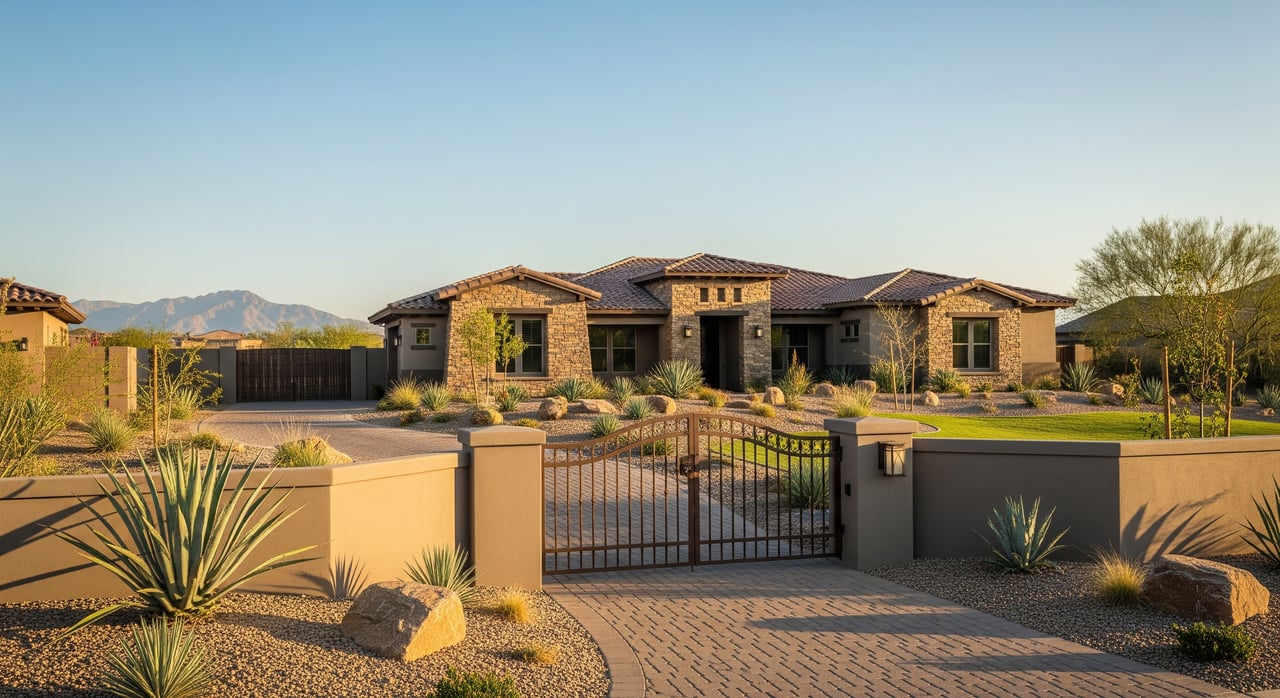
Have you ever fallen in love with a Queen Creek home, only to learn the HOA might say no to your dream backyard or paint color? You are not alone. CC&Rs can shape everyday life, from where you park to how you landscape. In this guide, you will learn what CC&Rs are, how they work in Queen Creek master-planned communities, what to check before you offer, and how to avoid surprises later. Let’s dive in.
What CC&Rs mean in Queen Creek
CC&Rs are Covenants, Conditions and Restrictions that are recorded with the county and attached to the property. They run with the land, which means they bind current and future owners. In Queen Creek’s master-planned neighborhoods, the developer typically creates and records the CC&Rs with the Pinal County Recorder before sales begin.
Who creates and enforces them
Developers draft the CC&Rs, then turn enforcement over to the homeowners association as the community matures. The HOA board, often with an architectural review board or committee, enforces the rules. A management company may handle day-to-day tasks, but the HOA holds the authority under the CC&Rs, bylaws, and community rules.
How CC&Rs interact with other laws
CC&Rs are private contract restrictions, but municipal zoning and state law still apply. If a CC&R conflicts with a town ordinance within the town’s authority, the ordinance controls. Arizona statutes can also shape HOA powers and owner rights, including notice rules, solar access, and collections procedures. Always confirm how your community’s CC&Rs implement these rights.
Design changes and approvals
If you want to change anything visible from the street, expect to use the Architectural Review process. The goal is to maintain consistent design standards and protect property values.
What guidelines cover in Queen Creek
Queen Creek master-planned communities usually publish written design guidelines. They often address:
- Exterior paint colors, materials, and finishes
- Roofing materials and colors
- Fences and walls
- Front yard landscaping, including xeriscape and plant lists
- Driveways, pavers, and hardscape
- Pools, spas, pergolas, and sheds
- Exterior lighting and visible equipment such as satellite dishes
- Solar panel placement and screening
Timelines vary. Some committees set target response times, such as 30 days. In early phases, the developer may keep design approval authority until turnover to a resident board.
How to prepare your application
- Read the design guidelines and note allowed materials and color palettes.
- Gather required submittals such as plans, photos, and paint chips.
- Ask about fees, review timelines, and whether approvals expire if work is not finished.
- Do not start work until you receive written approval. Unapproved changes can trigger fines or a requirement to restore the original look.
Parking, pets, and rentals at a glance
Each HOA can set different rules, so verify the exact language for the property you are considering.
Parking rules
- On-street parking may be limited or banned overnight.
- Parking on lawns or front yards is commonly restricted.
- RVs, boats, trailers, and commercial vehicles are often prohibited from front-yard or visible storage. Some communities allow them behind gates or in enclosed garages.
- Guest parking areas, if any, may have time limits and towing policies for violations.
Pet policies
- Many CC&Rs limit the number of domestic pets per home.
- Leashes, waste pickup, and behavior rules typically apply in common areas.
- Some communities restrict certain animal types and livestock.
- Federal and state disability laws may affect how service and support animals are addressed, so check the exact language.
Short-term rentals and leasing
- CC&Rs may ban or limit rentals under a set number of days, such as 30, 60, or 90.
- Some HOAs require rental registration, an on-site contact, or proof of tax compliance.
- Town ordinances can also regulate licensing or safety standards, so you need to confirm both HOA rules and municipal requirements.
If you plan to rent, strict limits can affect your investment strategy. Ask for current rules and enforcement history before you write an offer.
Where to review CC&Rs before you offer
You can and should review key documents early. In Pinal County, recorded CC&Rs and plats are available through the county recorder’s office. Sellers, listing agents, and HOA managers can also provide disclosure packets.
Documents to request pre-offer
- Recorded Declaration of CC&Rs
- Architectural or Design Guidelines and ARB application forms
- HOA Rules and Regulations, including parking, pets, and rental rules
- HOA and management company contact details
- Assessment schedule, including regular dues and late fee policies
Documents to review during due diligence
- Bylaws and Articles of Incorporation
- Current budget and reserve study
- Recent board and membership meeting minutes
- Assessment history and fee schedule
- Insurance summary for common areas
- Resale or estoppel certificate showing amounts owed and any compliance issues
- Pending litigation disclosures or violation notices
- ARB application forms and any samples of approved or denied projects
- Developer transition maps or phase updates showing who controls the ARB
Timing tips
Order the resale or disclosure packet early, since some associations need time to compile it and may charge a fee. Build time into your contract contingencies to read everything. If a restriction would change your plans, you can negotiate or reconsider before you close.
Red flags and buyer protections
A careful document review can save you time, money, and stress.
Red flags to watch
- Repeated special assessments or very low reserves
- No reserve study or unclear funding for common area maintenance
- Pending or recent litigation involving the HOA
- Very strict or vague design rules that make approvals uncertain
- A pattern of heavy fines or frequent violations shown in minutes
- Rental bans if you plan to invest, or pet limits that do not fit your household
- Ongoing developer control with no clear turnover timeline
- Missing insurance details or high deductibles for the association
Protect yourself
- Request a resale or estoppel certificate to confirm balances, special assessments, and compliance status.
- Include an HOA and document review contingency if any rule could affect your use of the home.
- Ask direct questions about short-term rentals, pet limits, ARB timing, parking, and any active violations on the property.
- For complex situations or high-value purchases, consider consulting a local real estate attorney for interpretation of unclear sections.
Simple pre-offer checklist for Queen Creek HOAs
Use this quick list before you make an offer or immediately after going under contract.
- Get the recorded CC&Rs for the exact lot.
- Read the Architectural or Design Guidelines and request ARB forms.
- Review HOA Rules and Regulations for parking, pets, and rentals.
- Confirm HOA and management company contacts.
- Review the assessment schedule and any current or pending special assessments.
- Request the latest HOA budget and reserve study summary.
- Ask for the most recent 6 to 12 months of board meeting minutes.
- Order the resale or estoppel certificate to verify dues owed and any violations.
- Obtain the association’s insurance summary for common areas.
- Ask for any litigation disclosures affecting the HOA.
- Pull the plat map and recorded lot plan to confirm boundaries and easements.
- If applicable, confirm whether the developer or the homeowner board controls the ARB.
Ready to move in Queen Creek?
When you know the rules, your next steps get much simpler. Whether you are a first-time buyer, an investor, or using a VA loan, a focused CC&R review can protect your plans and your budget. If you want help gathering documents, interpreting guidelines, or structuring a smart, contingency-ready offer, we are here to guide you.
Connect with the experienced, veteran-led team at Valor Home Group to move forward with confidence.
FAQs
What are CC&Rs in an HOA?
- CC&Rs are recorded rules that run with the property and set standards for how homes and common areas are used and maintained.
How do CC&Rs affect exterior changes in Queen Creek?
- Most master-planned communities require ARB approval before visible changes, such as paint, fencing, landscaping, sheds, or solar panel placement.
Can I park an RV at my Queen Creek home?
- Many CC&Rs restrict visible storage of RVs, boats, trailers, and commercial vehicles, allowing them only behind gates or in enclosed garages if permitted.
Are short-term rentals allowed in Queen Creek HOAs?
- It depends on the community; some ban or limit rentals under a set number of days and may require registration or compliance steps if allowed.
Where do I find CC&Rs for a Queen Creek property?
- Look to the Pinal County Recorder for recorded documents and request a resale or disclosure packet from the seller, HOA, or management company.
What if I disagree with an HOA decision?
- Many CC&Rs outline appeal or variance processes, and some require mediation or arbitration before court, so check your documents for the exact steps.